• Skip to primary navigation
  • Skip to main content
  • Skip to footer

South Carolina Beaches

Visit The Amazing Carolina Coast


  • Home
  • Things To Do
  • Where To Stay
  • About
  • Articles
  • Areas & Hot Spots
  • Contact
  • Grand Strand
    • Litchfield Beach
    • Pawley’s Island
    • Murrells Inlet
    • Garden City
    • North Myrtle Beach
    • Myrtle Beach
  • About
  • Charleston Area
    • Edisto Beach
    • Folly Beach
    • Fripp Island
    • Isle Of Palms
    • Kiawah Island
    • Seabrook Island
    • Sullivan’s Island
  • Southern Coast
    • Hilton Head Island
    • Beaufort
  • Contact
    • Guest Posting Request
You are here: Home / Archives for Charlene Brantner

Charlene Brantner

10 Of The Best Campgrounds In North Carolina

Posted on: April 12, 2019

When a camping adventure is on the horizon, your compass should be pointing the way to North Carolina. Home to some of nature’s most perfect masterpieces and a diverse array of  recreational opportunities, the state features a wide variety of ways to commune with nature and find limitless adventure among the peaks, valleys, lakes, and beaches that set the scene for the experience of a lifetime.

Mount Pisgah Campground

The Blue Ridge Mountains provide the scenic backdrop to a genuine Carolina adventure at Mount Pisgah Campground. 127 sites accommodate guests in tents, trailers, and RVs. There are no electric hook-ups at Mount Pisgah, so this location is best for a more primitive experience. The uniquely high altitude (5,000 feet) of the campground allows for panoramic views of the majestic landscape and crisp, cool evenings, as well as notable hiking trails. Mount Pisgah Campground is home to the head of The Frying Pan Trail, a 1.6 mile trail leading through dense hardwood forests to Frying Pan Fire Tower, a decommissioned lookout tower that is still accessible for breathtaking views of the area. If the mood hits to take in some shopping, dining, or attractions, the charming and beloved town of Asheville is only 20 miles away.  

Davidson River Campground

Situated within the Pisgah National Forest, the Davidson River Campground borders its namesake waterway. The lush hardwood and conifer wilderness, cascading waterfalls, and crystal-clear river create an inviting natural environment that’s ideal for swimming, tubing, and fishing. The Davidson River is considered one of the premier trout fishing spots in the southeast. The 144-site campground accommodates both tents and RVs. Sites are mostly shaded, with picnic tables, grills, and access to diverse hiking trails – a number of which are nestled along the waterside. Onsite educational programs are offered during the summer and fall to enhance this traditional family-friendly experience and encourage ecological stewardship. Davidson River Campground is located just a few miles from the small town of Brevard, home to impressive breweries and historical sites.

Merchants Millpond State Park

Ecologically-speaking, Merchants Millpond State Park is one of the most unique camping destinations in North Carolina. The combination swampland-hardwood forest environment yields a scene that is often described as an “enchanted forest” of remarkable native species – 200 types of birds, alone! A selection of camping styles are available Three types of sites are available, including primitive backpacking sites and remote canoe-in sites accessible by paddling trails. The park is centered around the 700-acre millpond and Lassiter Swamp, which once served as a thriving center of trade in Gates County due to its gristmills, sawmill, and farm supply store. Today, the site provides a tranquil setting for picnics, fishing, and canoeing.

Jones Lake State Park

Visitors to Jones Lake State Park play witness to one of the world’s great geological wonders – the phenomenon of the Carolina Bays. Thriving habitats, teeming with biodiversity, the Carolina Bays are shallow, oval-shaped pools or depressions along the coastal plain. Origin theories range from natural forces to astronomical events. Adjacent to the Bladen Lakes State Forest and home to Jones and Salters lakes, the 2,000+ acre park hosts just 20 private campsites and a score of outdoor activities on land and in water. Woodland campsites provide fire rings, grills and picnic tables, with only one site providing electrical and water hook-ups. Tall pines and large cypress trees draped in Spanish moss encircle the sandy shores and bogs where guests peacefully partake in canoeing, swimming, sunbathing, and fishing in shallow, warm waters. Hikers will delight in the tranquil Lake Trail that loops around Jones Lake. The visitor center at Jones Lake is a great place to start researching the rare ecology of the area. Additionally, park rangers regularly host educational programs about Jones Lake State Park.

Stone Mountain State Park

Stone Mountain State Park offers guests the complete campground experience, with original “extras” you won’t find anywhere else – such as the massive 600-foot granite dome that shares the park’s name. Dense forests and sweeping meadows welcome native woodland species like white-tailed deer. The park lands spread across two counties and 13,500 acres, encompassing 16 miles of trails and 17 miles of designated trout waters. Stone Mountain, a National Natural Landmark, is a sought-after site for rock climbing and rappelling (by permit only). For a milder adventure, guests may explore numerous trails of ranging challenge levels, along with the remnants and artifacts of the park’s history at various marked historical sites, old homesteads, and the Mountain Culture Exhibit in the park office. The onsite Garden Creek Baptist Church, established in 1897, still holds Sunday services seasonally. The campground offers 90 sites (some include utility hook-ups), with group and backcountry options nearby.

Hammocks Beach State Park

Hammocks Beach State Park is dominated by the the three-mile-long undeveloped barrier island of Bear Island, only accessible by kayak, canoe, or passenger ferry. Primitive, beachside camping on Bear Island offers stunning ocean views, fishing, swimming, and exploration via paddling and hiking trails. There are 17 campsites, three of which are reserved for group camping. Notable residents of Bear Island, loggerhead sea turtles are known to come ashore to nest here between mid-May and late August. Huggins Island, between Bear Island and the mainland, has thick forests of large live oak trees to wander, but this island is best left to passing curious afternoons, as camping is prohibited here. Hammocks Beach’s unspoiled lands serve as a haven for migratory shore birds in the spring and fall, while bottlenose dolphins regularly visit the park’s coastline.

Lake James State Park

A 6,512-acre lake with more than 150 miles of shoreline serves as the centerpiece to Lake James State Park. The park provides scenic vistas of the Appalachian Mountain range along an extensive, 25-mile trail system, including the historic Overmountain Victory Trail and the short, educational Holly Discovery Trail. 15 miles of the trails are also open to mountain bikes. There are three campgrounds within the park at the Catawba River area (20 walk-in sites), the Paddy’s Creek area (33 drive-to sites), and on the Long Arm Peninsula (boat-in sites only). Boat, water ski or fish in the lake’s cool mountain waters, or enjoy a family picnic along the quiet shores.

Carolina Beach State Park

Pleasure Island is a coastal barrier island just minutes from an International airport, zoo, and golf courses. It is also the site of the 761-acre Carolina Beach State Park. With 83 campsites shaded by mighty oaks and pines, and miles of trails that traverse sandy beaches and thick forests, the park is a testament to natural wonder. Among the abundant natural landscapes, guests will marvel at the striking Venus flytraps that grow wild alongside the trails. Camping style options include from tent, RV, camper cabins and group sites. Make sure to visit the onsite marina – home to some of North Carolina’s best fishing spots. For a change of pace during your stay, visit the port city of Wilmington, just 13 miles away. Here, you’ll find gardens, museums, breweries, and Jungle Rapids Family Fun Park.  

Hanging Rock State Park

Nearly twenty miles of hiking trails lead to breathtaking views and cascading waterfalls at Hanging Rock State Park in the Sauratown Mountain Range. Spectacular overlooks and striking horizons are borne from the combined presence of prominent peaks, mighty oak-hickory forests, the summit of the Piedmont Plateau, and the lush rolling countryside dotted with mountain laurel, wildflowers, and blended hemlock. Beyond the hiking trails, vast opportunities for all-day adventure exist across 8.4 miles of single-track mountain biking trails, and multiple rock climbing sites (accessible by permit only), while the 12-acre lake plays host to swimming, canoeing, and boating. 73 campsites accommodate both tents and RVs alongside five group sites and 10 cabins. Two centrally-located picnic areas provide 60 tables and 15 grills. Hanging Rock State Park was previously named one of the Top 20 State Parks by USA Today.

Pilot Mountain State Park

Situated beneath a mix of oak and hickory trees and the distinctive 2,241 foot peak of Pilot Mountain, Pilot Mountain State Park features family-friendly recreation amidst some of North Carolina’s most glorious backdrops. The 49-site family camping area welcomes tents and RVs, or opt for one of two canoe-in sites along the shores of the Yadkin River. The Yadkin River Canoe Trail is 165 miles long, two miles of which pass through the park, offering prime fishing opportunities. Hike the 6.5 mile trail corridor connecting the river to the mountain summit, where blueberry, huckleberry and grapes grow wild, or take on the family-friendly adventure of trekking the Little Pinnacle Overlook Trail. Rock climbing and rappelling are allowed in designated areas by permit only.   Regardless of the type of camping getaway you seek, or your level of outdoor experience and skill, North Carolina is the premier home base to pitch your tent, hook up your RV, or beach your kayak when a memorable vacation is the goal.

Hero photo by jo Crebbin

Filed Under: Campgrounds Tagged With: Camping, North Carolina

Finding Your Charleston-Area Beach Retreat

Posted on: April 8, 2019

Of the 187 miles that make up the South Carolina coastline, the Charleston region is arguably the most unique. Where the alluring ocean waters meet distinct coastal cultures, paradise is found. The area is known for gentle, shallow sloping waters with varying tides. An even, subtropical climate and consistent cool breezes provide an environment that is inviting all year long, with water temperatures reaching their peak in the summer. In 2018, Charleston was ranked the #1 U.S. city by Travel + Leisure readers for the 6th year in a row, but the unique personalities of the lesser known beaches surrounding the popular destination truly set them apart as worthy locations of their own merit.

Folly Beach

Often called “The Edge of America”, Folly Beach is the closest beach to downtown Charleston. The laidback, free-spirited island vibes of Folly draw visitors and locals alike to the offbeat shops, growing restaurant scene, and abundant recreation options ranging from mild to wild. Folly Island is a haven for surfers, gathering at a popular spot known as the Washout, which is said to be home to some of the best waves on the East Coast. Folly River separates the island from the mainland, providing calmer waters for kayaking and paddleboarding. Anglers will revel in the excellent fishing from Folly Beach Pier – the second longest pier on the East Coast (1,045 feet). The pier is also the ideal location for viewing playful dolphin in the surf beneath legendary Carolina sunsets.

Sullivans Island

Smooth sand beaches and calm inlets define the shores of Sullivans Island, a town steeped in rich history and tradition. The calm waters, tide pools, and offshore sandbar beckon to paddleboarders and swimmers, while windy days lure kiteboarders. Watersports aren’t the only way to appreciate the island. Sightseers can take in the views of the Morris Island Lighthouse and passing ships. History buffs will marvel at Fort Moultrie, instrumental in holding off British forces in the American Revolution. Cap off the perfect beach day with a meal from any number of the diverse eateries along Middle Street, especially local favorite, Poe’s Tavern, named in tribute to author Edgar Allen Poe who briefly called the island home. At just over three miles in size, Sullivans Island is an idyllic retreat for a relaxing getaway full of majestic views, delectable cuisine, and exciting glimpses into the past.

Isle of Palms

One of the more upscale of the Charleston-area beaches, Isle of Palms is also one of the most family-friendly! The beachfront is home to charming shops, restaurants, and six miles of white sand shores. Live music, voleyball, ice cream, and adult beverages fuel the island vibe, but the area is also a favorite spot for nesting sea turtles, calling for a community-wide “lights out” rule during nesting season to avoid disorienting the island’s beloved turtle inhabitants. Enjoy Isle of Palms by land with championship golf and tennis courts, or by sea on an offshore charter excursion. The island’s reputation for the best charter fishing on Charleston’s coast is well-earned, and numerous local seafood restaurants are more than happy to clean, cook, and serve up your prize catch!

Dewees Island

One of the most natural segments of the South Carolina coast, Dewees Island is an undeveloped barrier island only accessible by ferry. Cars are prohibited on the island, which lends itself well to exploration by bicycle, golf cart, or kayak. While you won’t find shops and restaurants on Dewees Island, you will find thriving marshes and tidal ponds that serve as natural habitats to diverse species of birds and fish, dolphin, crabs, and coral. Conservation and the island’s unique ecosystem are very serious business on Dewees Island, where visitors are encouraged to observe eco-friendly behaviors to help preserve the pristine site. Dewees Island is the perfect place to disconnect and redicover peaceful, natural recreation.

Seabrook Island

Seabrook Island is three miles of barrier island with unspoiled shoreline and Colonial history. This private, beachfront community, just thirty minutes from Charleston, features championship golf, tennis, and aquatics centers, tranquil beaches, oceanfront dining, and a full-servce equestrian facility. A notable activity unique to Seabrook Island is horse riding on the beach – something you won’t find anywhere else along the Charleston Coast.

Kiawah Island

From luxury spas and award-winning golf to preserved forests and marshes teeming with birds, deer, and even alligators, Kiawah Island has an adventure for every appetite! With more than 40 miles of bike trails and 10 miles of beach, there’s also plenty of opportunity to relax, get fit and admire the coastline. Beachwalker Park provides the only public beach on the restricted-access island – a beach consistently deemed one of America’s best, and recently dubbed the “Second Most Romantic Beach in America” by National Geographic Traveler. Beachwalker on Kiawah is also one of the few Charleston-area beaches declared dog-friendly year-round. Local artisans, upscale boutiques, cafes and ice cream shops provide beachgoers with ample opportunities to shop and stroll.

Bull Island

An eerily beautiful testament to nature, Bull Island is one of the few Charleston-area islands left to the elements. Natural high-tide erosion patterns have carved away at the once-dense forests of Bull Island to reveal 7 miles of shell-rich, undeveloped beach, including the highlight Boneyard Beach and its sun-bleached remnants of wilderness. The island is home to nearly 300 species of birds (the most diverse avian population in the area) at Cape Romain National Wildlife Refuge, which also serves as a popular hiking spot. Bull Island can only be reached by private boat or seasonal ferry service.

Wadmalaw Island

Boasting miles of marshlands and wooded areas, Wadmalaw Island is the self-proclaimed “Back Porch” of Charleston. The 10-mile long island, accessible by bridge, may be the only Charleston-area beach whose beach isn’t the main attraction. Wadmalaw’s Charleston Tea Plantation is the only still-functioning tea plantation in the country, and home to American Classic Tea. Learn the history of tea and then stick around for a sample on this free tour before heading over to the Firefly distillery for local sugar cane, tea, and muscadine grape-infused spirits. You can’t go wrong when planning a getaway to the Charleston coast, but with a little understanding of the distinct vibes and characteristics that define the surrounding area, you can surely make it go a bit more right. Which Charleston-area beach speaks to you?

Hero photo by Margaret.Wiktor

Filed Under: Beaches Tagged With: Charleston

Five Gullah Recipes For Your Next Meal

Posted on: June 23, 2018

Gullah cuisine was birthed out of the Gullah-Geechee community. These West African Slave Descendants farmed the rice plantations of the Lowcountry back in the 1700s. The Southern region now embraces their traditional food customs. Gullah Recipes are based on rice, simmered vegetables, and fresh seafood. Specifically, oysters, shrimp, grits, and okra are commonly incorporated. These beloved, cultural dishes boast rich history and even richer flavors. Here are five Gullah recipes for your next meal.

Gullah Rice

Adapted from the Gullah Cuisine Restaurant in Mt. Pleasant, S.C.

This recipe combines some of the most classic ingredients of Gullah cuisine including white rice, shrimp, and andouille sausage. Gullah rice is a traditional, pot-based creation providing family-sized portions. The African slaves first working the plantations developed a deeper understanding of rice cultivation than the plantation owners themselves. Because of this, they were able to reap the benefits of their knowledge by incorporating rice into everyday fares.

INGREDIENTS

½ c. vegetable oil
1½ lb. skinless chicken pieces
3 tbsp. Gullah Seasoning
1 c. diced yellow onion
5 c. chicken stock
8 tbsp. unsalted butter
¼ c. all-purpose flour
2 c. raw white rice
½ c. Finely diced green bell pepper
½ c. peeled and finely diced carrots
¼ lb. shrimp
¼ c. sliced andouille sausage

DIRECTIONS

1) Heat 1/4 cup oil in a heavy-bottomed pot. Season chicken with Gullah seasoning. Brown chicken in oil, about 8 minutes; remove and set aside. Add onion to pot and sauté until tender, about 5 minutes.
2) Return chicken to pot with onion and add stock. Bring to a boil, reduce heat, and briskly simmer until juices run clear when the chicken is pierced with a fork, about 15 minutes. Remove chicken and set aside. Strain stock into a bowl and discard onion. Return stock to pot.
3) Heat butter in another heavy-bottomed pot over medium heat. Whisk in flour and cook over medium heat, whisking continuously, until mixture turns dark brown, about 10 minutes. Whisk mixture into stock, then bring to a boil. Reduce heat and briskly simmer until stock thickens, about 5 minutes. Add rice and return to a simmer, then cover and continue to simmer until rice is tender, 20 to 25 minutes.
4) While rice is cooking, strip chicken meat from bones. Discard bones and any sinew. Dice the meat.
5) In a clean, heavy-bottomed pot, heat remaining 1/4 cup vegetable oil. Add pepper and carrots; sauté until vegetables are tender, about 5 minutes. Add shrimp and sauté 3 minutes more. Add chicken and sausage and heat through. Add mixture to rice, mix well, and cook until heated through. Serve immediately. Serves 8 people.

Fried Corn Cakes

These homestyle corn cakes signify the warm culture of the Gullah people and their love for simple, hearty food. Corn-based recipes are commonplace in the South where fried food abounds. This combination of dairy ingredients, vegetables and spices provides the best combination of sweet and salty flavor. Fried corn cakes are frequently served with fish, shrimp, or sausage but make a delectable side plate for just about any kind of meal. Hungry yet? Prepare one of these simple Gullah recipes for your next meal!

INGREDIENTS

1 tablespoon butter
½ cup chopped onion
¼ cup diced bell pepper
1 tablespoon chopped celery, with some leaves
½ cup self rising flour
½ cup self-rising buttermilk cornmeal
2/3 cup buttermilk
1 beaten egg
1 cup fresh or frozen corn, cooked and drained
3 tablespoons sugar
1 teaspoon garlic salt
1 teaspoon black pepper
1 teaspoon ground red pepper
Oil
Cane syrup

DIRECTIONS

1) In a small skillet, melt butter and sauté onion, bell pepper, and celery until just tender. Set aside.
2) In a large bowl, mix together flour and cornmeal. Slowly stir in buttermilk. Add egg and corn.
3) Stir in sugar, garlic salt, black pepper, and red pepper. Add the vegetables and melted butter and mix.
4) Drizzle a black iron skillet with oil – or use a nonstick pan – and heat over medium heat. When pan is hot, use a ladle to pour corn cake batter into pancake-size rounds. Cook until brown on one side. Flip and brown the other side.
5) Serve with a drizzling of cane syrup.

Low Country Peaches and Cream Pie

Seasonally demanded fresh peaches grow bountifully along the Southern coastal corridor. As with most Gullah recipes, the periodic element of the dessert makes it unique and desirable. The Gullah culture had to create meals based on food that was available throughout different parts of the year. South Carolina’s prime peach-picking season is May through August, making for a short window to enjoy this Gullah gem. Use ripe peaches for the ultimate flavor sensation.

INGREDIENTS

2 pounds fresh peaches
1 standard pie shell
½ cup flour
½ cup light brown sugar
¼ teaspoon salt
1 stick butter
½ cup sugar
½ teaspoon cinnamon
1 egg
2 tablespoons heavy cream
1 teaspoon vanilla

DIRECTIONS

1) Wash and peel peaches and slice thinly. Set aside.
2) Make sure pie shell is completely thawed.
3) Mix together flour, brown sugar, and salt. Use a pastry cutter or fork to blend in butter. Mixture should resemble coarse crumbs.
4) Measure half of the flour mixture and sprinkle evenly over pie crust bottom.
5) Place the peaches over the flour mixture. Sprinkle sugar and cinnamon over peaches.
6) Whisk together egg, cream, and vanilla and pour over sliced peaches.
7) Top with remaining flour mixture.
8) Bake at 400 degrees for about 45 minutes.

Sautéed Shrimp and Okra

The high quantity of shrimp in the South Carolina waters accounts for its popularity within Gullah recipes. This also applies to okra, which grows in abundance across the state and is easy to prepare. The long growing season of the vegetable adds to its popularity. Shrimp and okra combinations are commonplace in Gullah culture and fabulously delicious. Pour this concoction over bowls of rice to create a feast for the whole family. Don’t leave this recipe off the list of Gullah recipes for your next meal.

INGREDIENTS

Vegetable oil
1½ lbs. chopped okra
1 lb. peeled shrimp
2–3 tsp. minced garlic
1 tsp. minced chile pepper
1 tsp. minced ginger
½ cup diced onion
Kosher salt and black pepper, to taste
Minced parsley, to taste
Minced thyme, to taste
1 cup diced tomato

DIRECTIONS

Place a 10-inch cast-iron skillet over medium heat and add just enough oil to coat the bottom.
Add okra and cook until it begins to brown, stirring occasionally. (If okra starts to stick, add more oil.)
Then add the next 5 ingredients.
Season with salt and pepper.
Cook 5 minutes.
Next, add herbs and tomato, including seeds and juice, to the skillet.
Cook until shrimp is ready, 2 to 3 minutes more. If desired, add more salt and pepper before serving.

Shrimp and Grits

The South is often referred to as the “Grits Belt” due to their popularity in Southern dishes. Grits are ground from corn and originally created by the Native Americans. They were passed onto modern culture when plantation owners provided them to the Gullah people as part of their food allowance. Grits became a fundamental ingredient in Southern cuisine. The Gullah people traditionally added seafood to their grits, combining simple ingredients into the decadent meal recognized worldwide today.

INGREDIENTS

2 cups Jim Dandy Quick Grits, prepared according to package instructions
1 cup vegetable oil
1 pound Wild Georgia Shrimp, peeled and deveined
1 teaspoon salt
1 teaspoon ground black pepper
1 teaspoon paprika
1 teaspoon garlic powder
1 cup flour, preferably White Lilly self-rising flour
1 medium onion, chopped
1/2 green bell pepper, chopped
1/2 red bell pepper, chopped
1 stalk celery, chopped
1 cup hot water
3 strips bacon, cooked crisp and crumbled

DIRECTIONS

1) Heat the vegetable oil in a heavy-bottomed skillet, preferably a cast iron skillet, over medium-high heat.
2) Sprinkle the shrimp with the salt, pepper, paprika and garlic powder and toss. Place the flour in a large plastic bag with a zip lock then add the seasoned shrimp, close the lock and shake the shrimp to coat it well.
3) Test the oil temperature by dropping in a dab of the flour. If it sizzles then add the shrimp to the hot skillet and cook the shrimp until it is browned on both sides.
4) Remove the shrimp and set aside. Drain the oil then add the onion, bell peppers, celery and water then turn the heat to medium and simmer the vegetables until they are tender. Add the shrimp and simmer 10 to 15 minutes until the gravy thickens and browns.
5) Serve the shrimp over the prepared grits and crumble the bacon on top. Season with salt and pepper.

Hero photo by Brent Hofacker

Filed Under: Culture, Recipes

Whitewater Rafting on the Chattooga River

Posted on: February 8, 2017

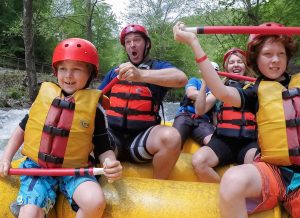
Are you looking for something new and exciting to do while on vacation? Something, which will not only provide you with adrenaline pumping anticipation but teach you how to work as a team and overcome your fears? If so, whitewater rafting may just be the adventure sport you have been looking for.

Besides the rush you will get from paddling through the whirlpools of tempestuous water, rafting down a gentle river in between sections of rapids also gives you the opportunity to soak in the scenery from an entirely different perspective.

While the rivers of South Carolina might not conjure up thoughts of getting ever closer to the edge of Victoria Falls as you battle the current of the mighty Zambezi, or the white-knuckle ride through the rapids of the Grand Canyon, rivers like the Chattooga will have you coming back time and again for what is sure to be a fun-filled family adventure.

Located in upstate South Carolina along the border with Georgia is the 57 miles long Chattooga River, a federally protected area of natural beauty that played a leading role in the 1972 film “Deliverance” starring Burt Reynolds and John Voight.

Cutting through steep gorges with breathtaking scenery, the whitewater rapids that range in difficulty from serene family friendly grade II and III to heart-racing class IV and V rapids that Southern Living Magazine claims is the number one adventure in the entire Southeast.

The river is divided into sections based on the difficulty of the rapids, section 1 and 2 starts with a gentle, decent dropping 12 feet per mile over a seven-mile stretch that contains small patches of turbulent water.

On section 3 of the river, the rapids start to intensify with more than a dozen class III and IV rapids to navigate the raft through.

With names like Eye of the Needle and Bull Sluice, the rapids on section 3 are the most popular with families.

Section 4 is where the action picks up as the river drops a dramatic 75 feet through a tight gorge that contains the heart pumping, Corkscrew, Crack-In-the-Rock, Jawbone, and Sock-Em Dog rapids all in quick succession.

What Is The Best Time To Visit? 

For optimum conditions, the best time to plan your whitewater adventure is early Spring through to late Fall. The amount of rainfall the area receives has a huge impact on how the river performs. The entire 57-mile stretch has no dams to regulate the water flow, making for optimum conditions after a few days of heavy rainfall.

River Outfitters

All of the outfitters along the river are licensed and insured, and while we do not like to endorse one over the other, the Nantahala Outdoor Center has been in business since 1972.

The NOC prides itself on having the most modern equipment and the best-trained whitewater guides in the industry, many of whom have gone on to Olympic fame.

Hero by Malachi Jacobs

Filed Under: Outdoors

The Historic Tales Of Pirates Off The South Carolina Coast
Posted on: January 13, 2017

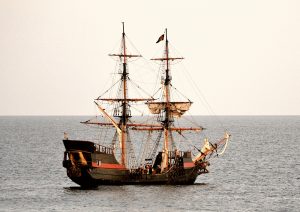
While images of Port Royal and the Spanish Main fill most people’s imagination when they hear the word pirate, the truth is, not all privateers were sailing around the Caribbean looking to capture gold bound for Cadiz. The British government imposed a huge tariff on goods coming in and out of the American Colonies that spurned a black market for cheaper goods that had been plundered from foreign vessels. At the time South Carolina was an impoverished colony that was only eager to trade with the pirates letting them move around town freely just as if they were in New Providence.

No city in the United States has a pirate history quite like that of Charlestown, South Carolina, and while places such as Key West and Savannah are often mentioned as pirate towns, neither can come close to matching Charlestown for its Historic connections to the age of piracy.

A long list of names wanted by the crown for piracy preyed upon shipping in and out of Charlestown and it was not until South Carolina became a major exporter of rice and the plantation owners petitioned the British to clamp down on the privateers that anything happened.

On September 5th, 1717 King George the 1st offered a clemency to all pirates in Nassau who were willing to give up their wicked ways and pledge allegiance to the crown, while also promising to settle them in the colonies if they promised to no longer take to sea.

Given little choice when threatened with the noose, all the pirates chose clemency, but it was not long before they went back to their old swashbuckling ways bored with accepting the life of a poor settler.

The most famous pirate to be associated with Charlestown is Edward Teach, better known as Blackbeard, who in 1718 showed up off the coast of South Carolina with an armada of ships intent on blockading the port of Charlestown.

Within the space of a week, he had plundered eight ships, bringing the town’s economy to a standstill without actually having to put up a fight.

Despite doing well from the captured ships, the real reason Blackbeard had blocked the port was to obtain a chest of medicine that contained mercury, the only thing at the time known to treat syphilis.

Having now gotten what he came for Blackbeard turned his fleet north heading for his now home port of Bath, North Carolina.

One member of the raid on Charlestown that did not fare as well, however, was Stede Bonnet, a former plantation owner in the Caribbean who took to piracy in search of adventure.

Not skilled in the art of navigation and warfare Bonnet was captured by the British after a five-hour battle in the Cape Fear River and brought back to Charlestown for trial.

Now tried and convicted to death by hanging, Bonnet was taken to the gallows at White Point where he and other pirates that followed were strung up until dead.

Charlestown was also the home of the most notorious female pirate Anne Bonny, the hot-headed daughter of an Irish plantation owner. Having run away with a sailor Anne took up company with John “Calico Jack” Rackham, captain of the pirate sloop Revenge.

When finally captured by the British, Anne and fellow female pirate Mary Read were the only crew members sober enough to put up a fight.

Paraded before the Governor of Jamaica all three were convicted of piracy and sent to the gallows although a partial clemency was granted to both women due to the fact they were pregnant, with the sentence later to be carried out after childbirth.

Records stated that Mary Read died in her cell, yet there is no mention of what became of Anne Bonny, with suggestions that her father paid the Governor a high ransom to spare his daughter and marry her off to a member of Jamaica’s high society.

Pirate history abounds in Charlestown, with many of the old taverns and places they acquainted open to the public, giving you the opportunity to learn much more about the Golden Age of Piracy and the role South Carolina played in its history.

Hero photo by Edgar Lee Espe

Filed Under: History

Plantation Houses Of South Carolina

Posted on: December 20, 2016

Following the Colonization of the Americas by European settlers, it was the moneyed elite that was either given the land to farm by the crown or used their own wealth to establish a foothold in the New World.

In the case of South Carolina just as in the Caribbean slaves were brought in to not only work the land, but as household servants to work in the large plantation houses that sprung up to oversee vast tracts of farmland.

While many of these large stately homes perished under the torch of Sherman’s Army, those that remain provide a unique glimpse into what life must have been like in Antebellum America.

Boone Hall Plantation – Mount Pleasant, SC

Founded in 1651 by an Englishman, Major John Boone, Boone Hall is renowned for its lovely gardens and an approach to the main houses the features 200-year old oak trees that are draped in Spanish moss. Once a thriving cotton plantation, today Boone Hall produces a variety of fruits and vegetables on its 760-acre estate.

Fort Hill – Clemson, SC

Home to the only Vice President of the United States to be born in South Carolina, John C. Calhoun, the 814 acre Fort Hill Plantation was bequeathed to Clemson University in 1888 with the understanding that the historic house and grounds never be changed. Clemson now operates the house as a museum providing daily public tours.

Hopsewee Plantation – Georgetown, SC

Now listed a National Historic Landmark in the heart of South Carolina’s Low country the Hopsewee Plantation was one of the colonies premier rice producers. Built in the early 18th century, some 40 years before the Revolutionary War, Hopsewee was the birthplace of Thomas Lynch, Jr. a signatory to the Declaration of Independence.

Millford Plantation – Pinewood, SC

Regarded by many as the finest example of Greek Revival residential architecture in the United States, Milford Plantation somehow managed to avoid being burnt to the ground following Potters Raid on the railways between Florence, Sumter and Camden. With an interior just as magnificent of its facade, Millford is open to the public the first Saturday of the month.

Middleton Place Plantation – Charleston, SC

Dating back to the 1730’s Middleton Place was a sprawling rice plantation, typical of the South Carolina Low Country. During the early 19th century landscaped gardens were all the rage, leading the Middleton’s to lay out a design that the Garden Club of America says is “the most important and most interesting garden in America”. The plantation like most great houses of South Carolina was burned during the Civil War, but now following a full restoration is a living museum open to the public.

(Pictured above)

Magnolia Plantation – Charleston, SC

Originally settled in 1676 by Thomas Drayton, a new arrival from Barbados, the Ashley River rice plantation flourished while changing hands between British and American troops during the Revolutionary War. Firmly on the side of the Americans, Drayton’s son’s fought for the Colonial Army before going on to become highly regarded statesmen after the war. In the early 19th century gardening, filled the spotlight and while many a great house copied the formal English style, John Drayton set out to create a garden making use of the land’s natural contours and water features. Credited with cultivating the first azaleas in America, the gardens survived the Civil War eventually taking over from agriculture to become the plantations main money maker before opening to the public in 1870. Today the house and gardens provide a unique look back into American horticulture and plantation life.

Hero photo by meunierd

Filed Under: Culture

« Previous Page
Next Page »

Footer

  • Home
  • Things To Do
  • Where To Stay
  • About
  • Articles
  • Areas & Hot Spots
  • Contact
  • Grand Strand
  • About
  • Charleston Area
  • Southern Coast
  • Contact

Copyright © 2026 • TravelSCBeaches.com • All Rights Reserved